AVARA Barrier Repair Trio for CHEMO & RADIATION
Your skin is not failing. It’s responding to intense biological stress — and it needs support. Skincare for compromised, sensitive, treatment-impacted skin.

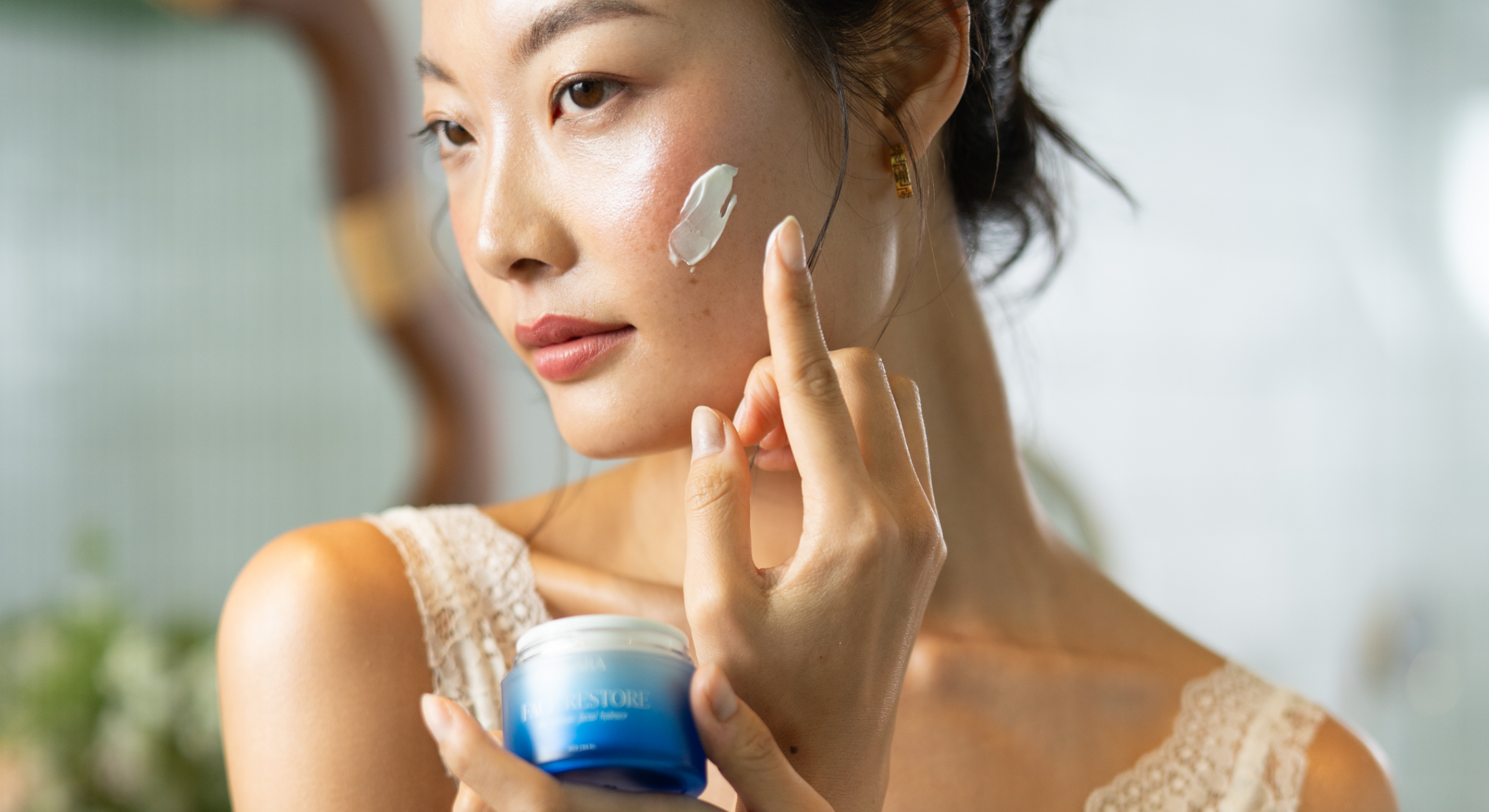
Your skin is not failing. It’s responding to intense biological stress — and it needs support. Skincare for compromised, sensitive, treatment-impacted skin.

Avara Barrier Repair Trio
Designed to work together as a complete barrier repair system, this 3-step routine is perfect for compromised, post-procedure, or sensitized skin.
Key Benefits:
Pickup available at Avara HQ
Usually ready in 2-4 days

A calming botanical known for its ability to soothe irritation, support collagen production, and accelerate skin healing—ideal for sensitive or compromised skin.

A botanical extract known for its anti-inflammatory and calming properties, often used to reduce puffiness, soothe irritation, and support sensitive skin.

A soothing botanical rich in vitamins, enzymes, and antioxidants, known to calm irritation, hydrate deeply, and support skin healing—ideal for sensitive or compromised skin.

A purifying botanical with natural antibacterial and anti-inflammatory properties, known to clarify the skin, calm irritation, and refresh the senses with its cooling aroma.


Chemotherapy and radiation don’t just target cancer cells, they also affect healthy, fast-dividing cells, including the ones responsible for keeping your skin strong, hydrated, and resilient Your skin is a living organ that constantly renews itself. Treatments designed to stop rapidly growing cancer cells can unintentionally slow or disrupt this process, leaving the skin thinner, drier, and far more reactive than usual.


Reduce inflammation
Hypochlorous acid, magnesium, allantoin + soothing botanicals work together to calm inflammation, soothe irritation, and support skin’s natural healing process.
Barrier Repair
Ceramides, squalane, glycerin + panthenol replenish lost moisture and support a stronger, more resilient skin barrier when skin feels dry or compromised.
Soothe sensitivity
Hypochlorous acid, allantoin, aloe vera + calming botanicals help comfort sensitive, stressed skin while providing gentle hydration without harsh actives.


